
Educators
Mrs. Beth Killeen, Honors English
Hudson Middle School
“The Akron-Summit Holocaust Arts and Writing contest had a profound impact on my students, as it provided a platform for young minds to express their creativity and raise awareness about the atrocities that occurred during this dark period of history. Through their fiction and nonfiction stories, as well as their thought-provoking artworks, these students beautifully captured the essence of remembrance and served as powerful reminders for generations to come. Their creations shed light on the importance of never forgetting the Holocaust, fostering empathy, understanding, and a collective commitment to preventing such horrors from happening again. The contest sparked dialogue, education, and introspection, leaving an indelible mark on the participants and the wider community alike.”
Mrs. Kathy Cantin, Social Studies
Hudson Middle School
“It is important for students to understand the hate, discrimination and acts of genocide that occurred during the Holocaust that happened to Jews and other groups. It is up to the future generations to be sure history doesn’t repeat itself. When I teach students about the Holocaust I use pictures, video clips and testimony from people who experienced the atrocities during this time period. I would like my students to show empathy for what persecuted groups experienced. I feel that it s the best way to combat hate.”

Mr. Matt Russ, Principal
The Lippman School
“Holocaust education is important as educators teach students critical core values connected to good citizenship and acting as upstanders in their communities. Besides the obvious importance of teaching thorough, accurate history, Holocaust education is critical to help students understand how not speaking out or standing up for others, using others as scapegoats, shifting blame and false propaganda campaigns can all lead to the worst of human atrocities. The Annual Akron-Summit Holocaust and Genocide Arts and Writing Contest is an excellent vehicle for teachers to use to teach this important contest. It provides students access to difficult history through a thematic focus that gives them the opportunity to think creatively and critically to craft a personal response to events in history. It gives teachers and students the ability to explore this history with depth as opposed to merely learning facts and dates. Ultimately, by allowing students to create works of art for public consumption and recognition, it elevates their work in a way that is more powerful than what can be accomplished inside the classroom alone. It also helps to educate and remind the wider community of the monumental importance of continuing to teach and learn about this dark period in human history.”

Mrs. Jennifer Adair, English
Copley High School
“Participating in the Akron-Summit Holocaust Arts & Writing Contest is the most meaningful writing experience that my students participate in all school year.”
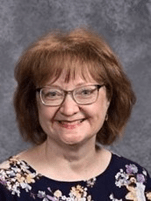
Mrs. Elain Fippin, English
Our Lady of the Elms
“As an English teacher, I have the responsibility and joy of selecting literature for my students. I want them to read great books that are eloquently and beautifully written, but the books also need to resonate with young people. And I hope that the books I choose for my students offer important life lessons. This is a tall order. Elie Wiesel’s memoir Night meets all of these requirements, and now more than ever, the lessons of history revealed in his story crackle with relevance and urgency. Young people need to understand the dangers of prejudice, bigotry, and injustice. They need to know that paths to justice exist, and that even during the Holocaust, courageous and righteous acts could save lives. The Akron Summit Council on Genocide and Holocaust Education offers an outstanding program for students that allows for rich, rigorous study of the Holocaust. The annual contest proposes a topic about which students may write or create art pieces. My students move beyond Wiesel’s story and into this period of history as they examine other personal narratives, documents, visuals, and artifacts. The Council offers an array of research resources that accurately reflect the Holocaust. Additionally, human resources are ready to answer questions, suggest speakers, and visit my classroom. The contest is an authentic project based learning experience that engages my students in specific aspects of the Holocaust that interest them. They choose the direction, type of writing or art, and resources that suit their purpose. This educational journey reminds them that in order to prevent atrocities, we must remember the past and make conscious choices and decisions every day to create a more just and peaceful world. “
Mr. Matt Beresh, Art
Mogadore High School
I think it safe to say that many people, from time to time, enjoy a good-hearted contest, perhaps even one resulting in something tangible, whether that be some form of visual praise, or maybe even something of monetary value. Students are no different; and sometimes they need such a motivator. but this Holocaust-themed contest is different. ultimately, this contest’s value lies not in the hope of an external prize, but one that is internal. honestly, and i’m not just saying this — seeing a student grow in compassion, kindness, and empathy is a prize that is longest- lasting and most rewarding. my hope is that the students are impacted by the same ideal.
STUDENTS (In their own words)
“This writing assignment brought to my attention what happened during the reign of Hitler. It allowed me to understand the trauma the Jews had experienced for being different. It showed the torturous lengths the nazis had gone through to try to commit cultural genocide. The saying history always repeats itself has been proven time and time over but we need to keep this from happening again.”
“I felt very emotional writing this piece. It really opened my eyes to the horrors young children experienced during the Holocaust and how important the preservation of this tragedy is.”
“[The contest] sort of made me think that horrible events should still be remembered, even if you don’t want to remember them. If you forget, then something like it could happen again in the future.”
“[The contest] affected me as a person because it made me dive deeper into the truth about the Holocaust. I learned many new things about the horrors that went on during it.”
“[The contest] has affected me in how important it is to know about history and all the good and bad that has led up to present time. Because we depend on our future and it is important to know what has happened so we learn from our mistakes.”
 Akron-Summit Council on Holocaust & Genocide Education